About
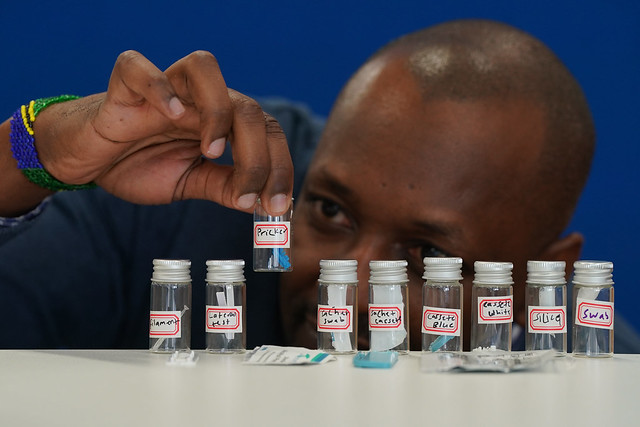
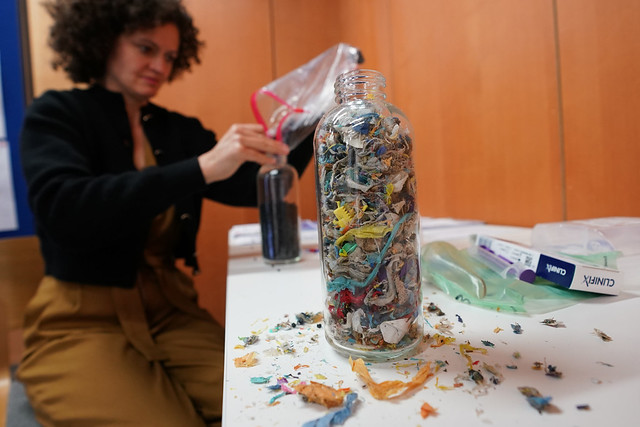
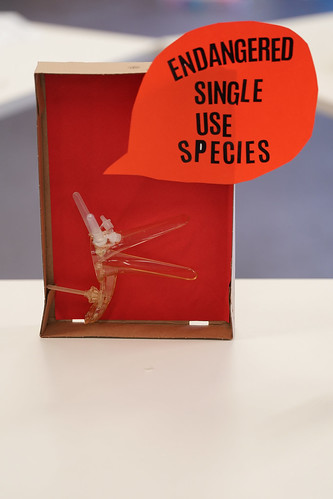
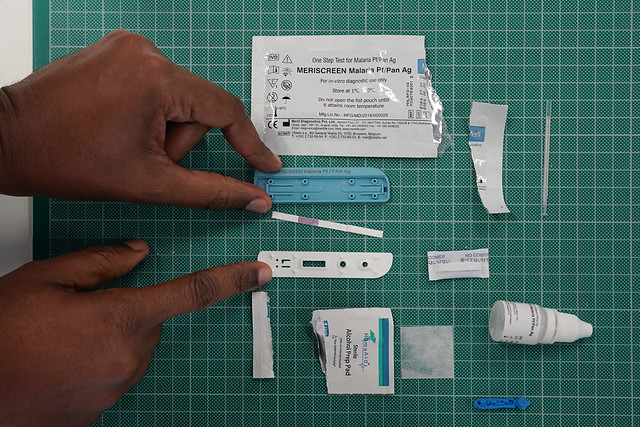
If the world’s healthcare sector were a country, it would rank 5th among nations in terms of its carbon footprint. A staggering portion of these emissions derive from the manufacture, transportation and incineration of single-use plastic products, such as surgical drapes, syringes, or diagnostic devices that are designed for disposability. In the relatively short period of time since single-use medical products were introduced, we have naturalized their use.
After the Single Use; a bold ethnographic, historical and art cooperative across eight nations asks: how did we get here, and what would it take to return (or transform) health care to a circular economy of reuse instead of a linear economy of waste and discard?
Drawing together scholars and methods from history, anthropology, art research and public health, we examine the historical local and global contingencies that have brought us to the present moment of crisis in medical waste, analyse the circulations and lifecycles of single-use medical technologies designed for disposal in landfill and incinerators, and establish collaborations with policy-makers, activists and engineers/designers to build circular healthcare solutions. Our goal is to establish a new field of critical humanities, art and social science research on medical waste and circular healthcare economies.
NOBA will plan and coordinate 8 artist-in-residency programs taking place across locations and research sites, as well as hosting a virtual exhibition portraying and discussing artistic artworks created as part of the residencies taking place across the world.
After the Single Use is generously supported by Wellcome Trust.
Objectives
Contingencies. How and why have norms and infrastructures of disposability become embedded in healthcare systems globally, what social, economic, political and legal factors shaped this historical trajectory in different places and what examples exist of alternative paths not taken?
Circulations. Through what channels are disposable medical technologies produced, transported, consumed, and discarded, how do they map on local, regional, and global scales, and what relations between persons, places and things do they foster?
Impacts. How might historical, ethnographic, design informatics and artistic approaches help us to visualise the harms as well as the putative benefits of disposable medical technologies over their lifecycles, with attention to their selective impacts within gradients of race, class, ethnicity, and social vulnerability?
Solutions. How, when, and where has the shift from reusable to disposable medical technology been resisted, and what creative technical and social arrangements, innovative practical solutions, and challenges to present healthcare conventions might offer sustainable alternatives to disposable medicine?
NOBAs works packages
WP 1: Artist in residence program planning and preparation
WP 2: Artist in residence program management and coordination
WP3: Artist in residence dissemination
WP4: Artist in residence project management and coordination
Research Units
Research programs at each site will be connected through shared research questions, methods and theoretical framework. These connections will be reinforced through cross-site co-mentoring arrangements for each project.
Geneva
- Making disposable 1: (Strasser) Development and regulation of single use medical technologies at World Health Organization.
- Making disposable 2: (RA/PhD) Development and regulation of single-use medical technologies in medical marketplace/assembly of multisite digital industry documents repository.Baltimore
- Making disposable 3: (Greene) Development and regulation of single-use medical technologies at US Food and Drug Administration.
- Locating waste 1: (RA/PhD Gadson) History and ethnography of community experiences, knowledge and advocacy related to healthcare waste management in Curtis Bay, Baltimore, home to the USA’s largest privately-held medical waste incinerator.
Dakar
- Making disposable 4: (RA/PhD) History and ethnography of single-use medical technologies related to rural management of healthcare waste in Senegal, focusing on epidemic waste.
- Locating waste 2: (PDRA) History and ethnography of hospital-centred urban waste management in Dakar, focusing on formal/informal waste-economies.
Hyderabad
- Making disposable 5: (PDRA) Development and regulation of disposable medical technologies in domestic/export industry in India.
- Locating waste 3: (PDRA) History and ethnography of hospital-centred urban waste management in Hyderabad, focusing on public/private hospital-waste economies.
- Rethinking reuse 1: (RA/PhD) History and ethnography of community experiences, knowledge and advocacy related to healthcare waste management in a rural tribal district in Telangana State.
Oslo
- Making disposable 6: (Kveim Lie/RA) History and ethnography of hospital-centred urban waste management in Oslo.
- Locating waste 4: (Sæter/NOBA) Art-research collaborations and their contributions to understandings of disposability and healthcare systems in comparative perspective.
- Rethinking reuse 2: (PDRA) History and ethnography of community-based experience, knowledge and advocacy around healthcare waste in indigenous Sámi arctic lands.
Dar-es-Salaam
- Making disposable 7: (Mangesho/PDRA) History and ethnography of single-use medical technologies in Tanzania’s global health research and clinical trial industry.
- Locating waste 5: (PDRA) History and ethnography of hospital-centred urban waste management in Dar es Salaam focused on research waste.
- Rethinking reuse 3: (RA) History and ethnography of community-based experience, knowledge and advocacy around rural healthcare waste management focusing on clinical trial sites.
Sydney / Goroka
- Making disposable 8: (PDRA Newland) History of medical device innovation and regulation in PNG, focusing on vertical disease programmes.
- Locating waste 6: (Hanku-Kelly/Newland) Ethnography and policy
- engagement around the role of donor networks in medical disposability and reuse in PNG.
- Rethinking reuse 4: (RA/PhD/PNGIMR) History and ethnography of
- community-based experience, knowledge and advocacy around rural diagnostic waste management.
Edinburgh
- Locating waste 7: (Street/ Earth Fellows/HCWH): Development and use of open-access digital audit tool for healthcare waste from single-use plastics.
- Rethinking reuse 5: (PDRA/HCWH) Ethnography and policy engagement around international advocacy for sustainable healthcare.
- Rethinking reuse 6: (Street) History and ethnography of medical device innovation and regulation in UK, India and Senegal, focusing on sustainable innovation.
- Rethinking reuse 7: (RA/PhD) History and ethnography of hospital-centred urban waste management in Scotland, focusing on circular healthcare solutions.